
Residential Tiling Auckland: A Homeowner’s Guide to Getting Bathrooms Right
Bathrooms are among the most detailed, expensive spaces in any residential project when measured by square metre. What appears simple, a tiled floor, a shower, a vanity, is in fact the convergence of multiple trades working within tight tolerances, each layer dependent on the one beneath it.
The bathroom becomes less a place of finishes and more a system, one that must perform quietly, every day, over time, It is within this system that tiling sits at the centre.
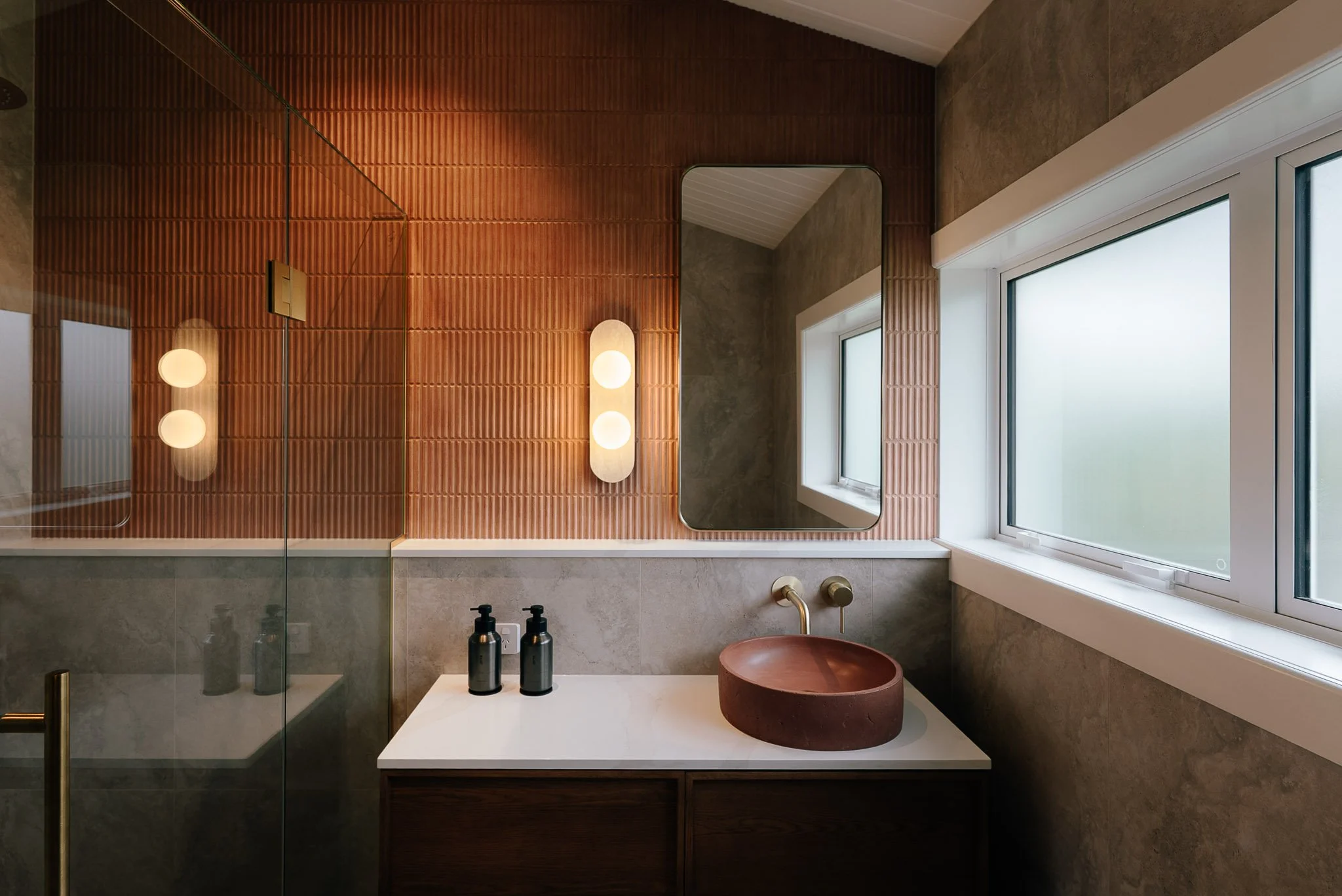
The Cost of Late Decisions
Many of the issues that surface in bathrooms do not stem from poor materials or even poor workmanship. More often, they begin earlier, in the absence of clear decisions.
Tiles are selected once construction is already underway. Layouts are considered in fragments rather than as a whole. Trades arrive on site without a shared understanding of how the space is meant to function. The tiler, arriving toward the later stages of the build, is left to interpret rather than execute.
At that point, adjustments are no longer simple. A change in tile size might affect a drainage fall. A shift in layout might misalign with plumbing. The cost of revision rises quickly, and compromises, subtle at first, become permanent.
The Discipline of Planning
What distinguishes a well-resolved bathroom is not the price of its materials, but the clarity of its planning.
Tile selection is part of this, though it extends beyond colour or texture. The size of a tile influences the grid it creates across a surface. Larger formats, now common in modern Auckland homes, reduce visual interruption but require precision beneath them. They leave little room to disguise inconsistencies in floors or walls.
Equally important is the set-out, a term that rarely appears in early conversations but governs much of what follows. It is here that decisions are made about how tiles align with the architecture of the room, how they centre within a space, and how unavoidable cuts are managed. A well-considered set-out is essential. A rushed one opens up the possibility of larger problems later in the project, which can easily lead to disappointed homeowners.
The role of the tiler, in this context, becomes less about installation and more about interpretation. An experienced residential tiler anticipates these relationships early, raising questions before they become problems.
Behind the visible layer sits another set of decisions, waterproofing systems, underfloor heating, substrates, adhesives, each contributing to the longevity and comfort of the space. In Auckland, where humidity and daily use place consistent pressure on wet areas, these elements carry as much weight as the tiles themselves.
A Question of Value
Bathrooms are expensive not simply because of the materials involved, but because of the coordination they require. Multiple trades, each with their own sequencing and tolerances, must converge within a confined area and arrive at a cohesive result.
The cost of tiling in Auckland can vary, but it is rarely the defining factor. What matters more is how well the process has been planned before work begins. When planning is thorough, the installation is seamless and all contractors are on the right page. When it is not, the process becomes reactive, and costs tend to accumulate in less visible ways.
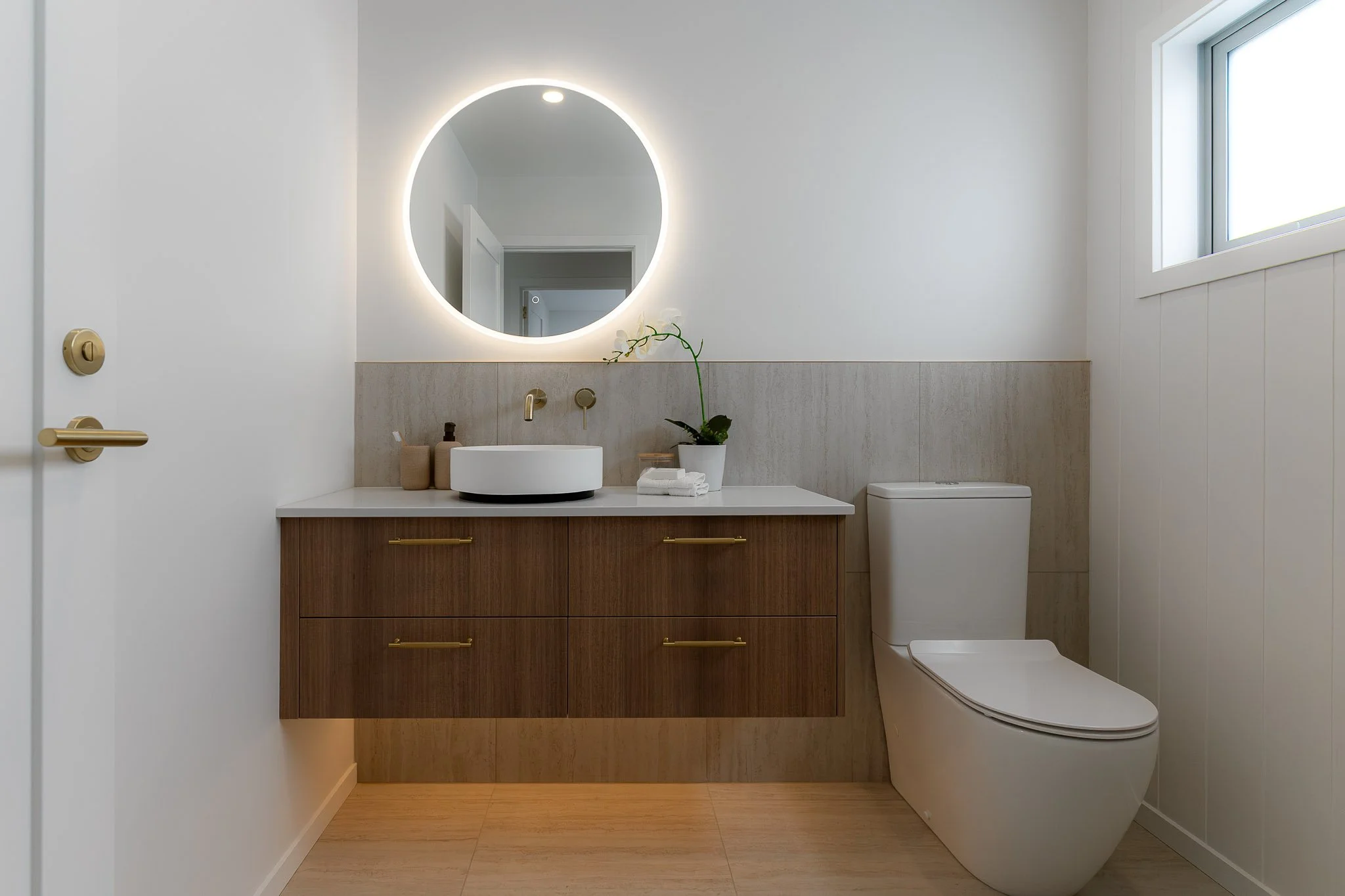
Living With the Outcome
A bathroom is not a space that can be easily revisited. Once complete, it is used daily, observed at close range, and expected to perform without issue.
The difference between a bathroom that feels tailored and one that does not is often subtle, but persistent. It lives in the alignment of lines, the consistency of surfaces, the absence of small irregularities that draw the eye.
These outcomes are rarely the result of decisions made on site. They are the result of decisions made earlier, when there was still room to shape the space.
In that sense, residential tiling in Auckland does not begin with the laying of tiles. It begins with the understanding that bathrooms, more than most rooms, reward those who take the time to think them through.